“Listen to a selection of O-Roll music played on the Coinola SO – scroll down, click on any tune or sheet music cover”
The history of the development of Coinola machines and the O-Roll format can be found at https://web3.demodesign.live/a-nickel-for-music-in-the-early-1900s-evolution-of-the-american-orchestrion/ . The O-roll was introduced in 1913. It features perforations for extra instruments plus a 24-note solo section for up to two added instruments such as orchestra bells, xylophone, violin pipes and/or flute pipes. The O-scale plays 78 piano notes including notes at both ends of the range not found in the other American formats that are important to jazz themes. Also the O-roll solo instruments (pipes, xylophone or bells) are connected to the highest 24 playing notes which leaves a good piano compass – almost 2 octaves above middle C – so that the piano plays accompaniment while the solo instrument(s) are turned on and the piano in the solo range is turned off.
The musical selection offered below was recorded on the largest Coinola ever made, the Coinola SO in the Rick Crandall collection. Its instrumentation consists of piano, mandolin effect, xylophone, open wooden flute pipes, metal violin pipes, bass drum, tympani, snare drum, cymbal, triangle, tambourine, Indian woodblock and a 15-inch Chinese crash cymbal.
The pump has a special “amplifier” pneumatic that raises the vacuum level and loudness of the percussion, especially effective with the crash cymbal. Two notes are appropriate about the setup of this particular machine. The wood block is set to operate with a single-stroke beater rather than a repeater. Also when the arrangement calls for pipes as the solo instrument, only the flutes play, whereas when xylophone and pipes are called for, the violins play with the flutes and xylophone so that the pipes can match the sound level of the percussive instrument.
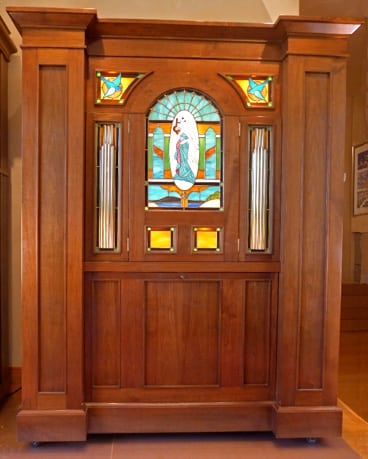
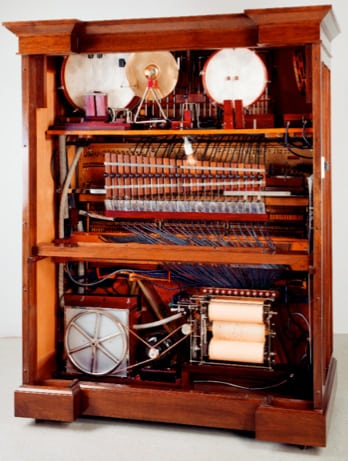
Coinola SO exterior and interior views.
The following is a selection of O-Roll music listed with each tune’s composer, year of composition and the O-roll number and tune position.
The O-Rollography can be found at: https://web3.demodesign.live/operators-o-roll-rollography/; click on a tune name or sheet music image to play the tune.
QRS O-Rolls O-Roll, Tune
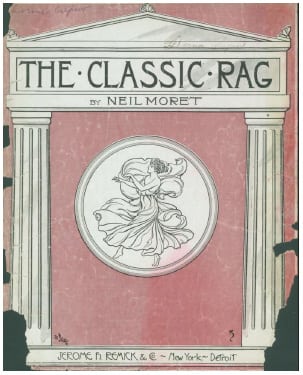
Classic Rag, Neil Moret, 1909 (78-6)
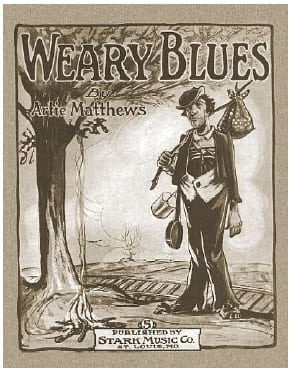
Weary Blues, blues, Artie Matthews, 1915 (94-1)
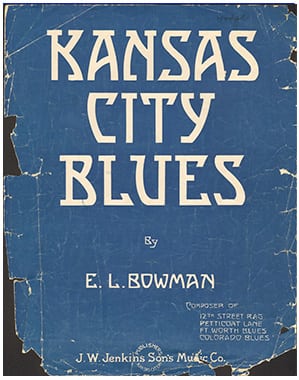
Kansas City Blues, blues, Euday L. Bowman, 1915 (94-3)
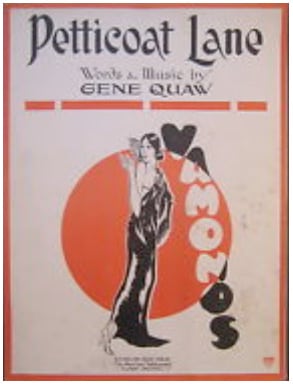
Petticoat Lane, rag, Euday L. Bowman, 1915 (94-8)
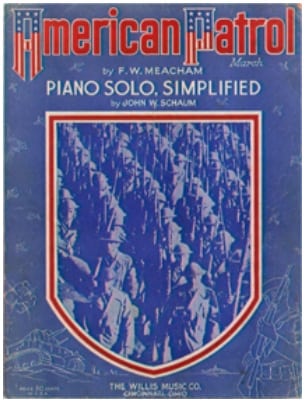
American Patrol, march, Frank W. Meacham, 1885 (191-10)
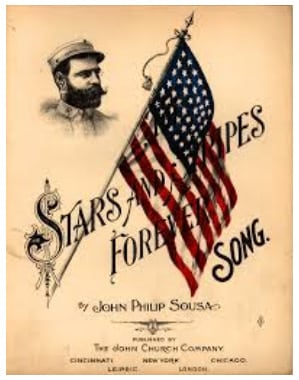
The Stars and Stripes Forever, John Philips Sousa, 1896 (191-6)
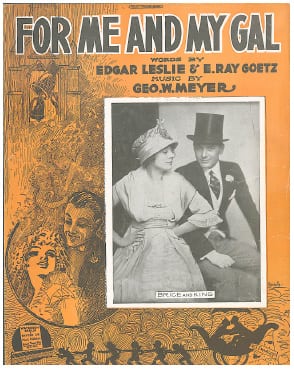
For Me and My Gal, one step, George W. Meyer, 1917 (194-1)
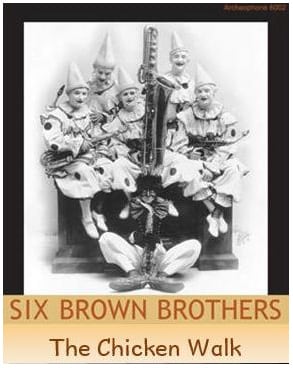
The Chicken Walk, eccentric foxtrot, Tom Brown, 1917 (204-5)
Stray Bullets March, A. Herman, 1894 (244-2)
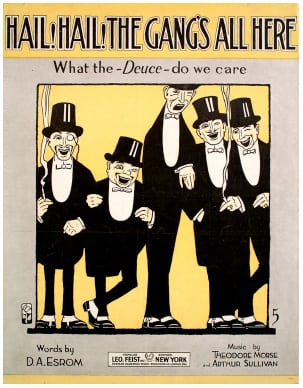
Hail, Hail, the Gang’s All Here, fox trot, Arthur Sullivan, 1917 (245-5)
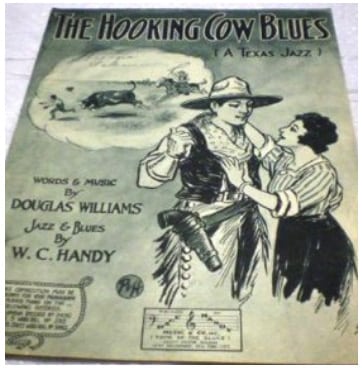
The Hooking Cow Blues, W.C. Handy, 1917 (300-3)
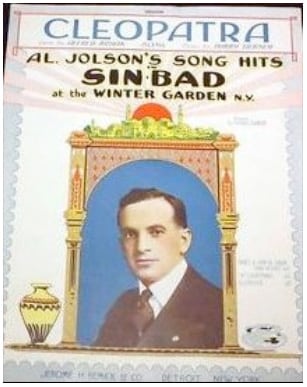
Cleopatra (from “Sinbad”) fox trot, Harry Tierney, 1917 (300-5)
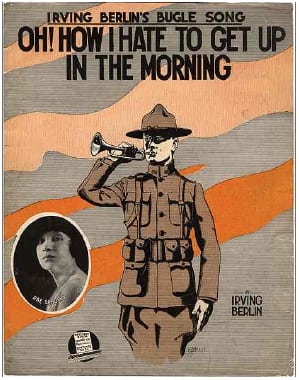
Oh! How I Hate to Get Up in the Morning, OS, Irv. Berlin, 1918 (307-7)
Star Spangled Banner, anthem, Francis Scott Key, 1814 (191-1)
COLUMBIA O-Rolls
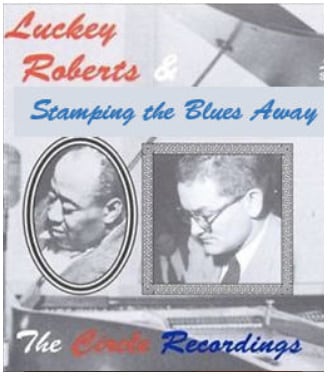
Stamping the Blues Away, blues, Luckey Roberts (444-2)
CAPITOL O-Rolls
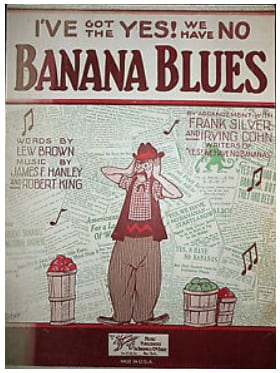
I’ve Got the Yes! We Have No Bananas Blues
James F. Hanley, 1923 (645-1)
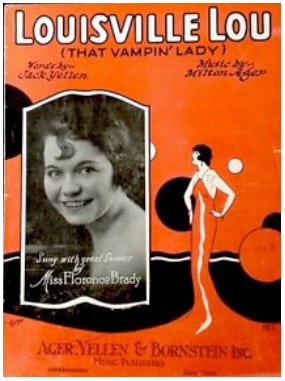
Louisville Lou, fox trot, Milton Ager, 1923 (645-8)
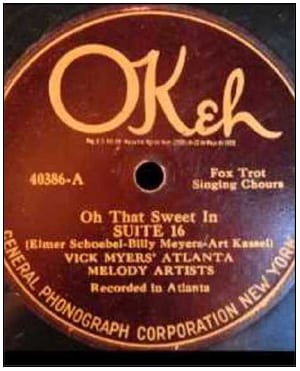
Suite 16 (That Sweet in Suite 16), FT, E. Schoebel, 1925 (747-2)
Unlucky in Love, fox trot, Irving Berlin, 1924 (747-10)
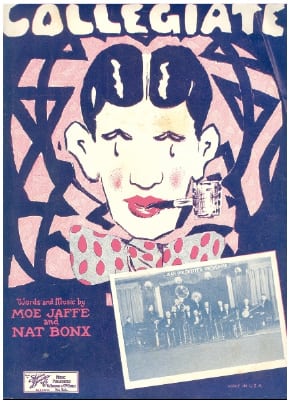
Collegiate, one step, Nat Bonx, 1925 (761-10)
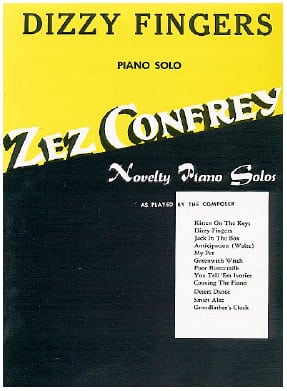
Dizzy Fingers, one step, Zez Confrey, 1923 (772-7)
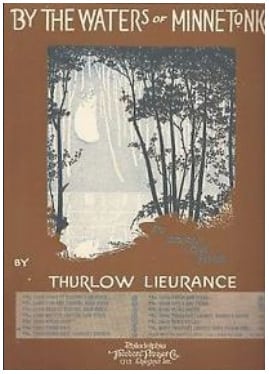
By the Waters of Minnetonka, OS, Thurlow Lieurance,1914 (779-1)
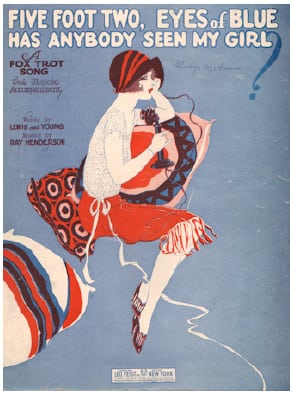
Five Foot Two, Eyes of Blue, OS, Ray Henderson, 1925 (779-7)
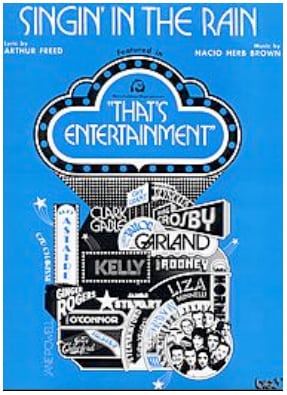
Singin’ in the Rain, fox trot, Nacio Herb Brown, 1929 (907-10)
CLARK O-Rolls
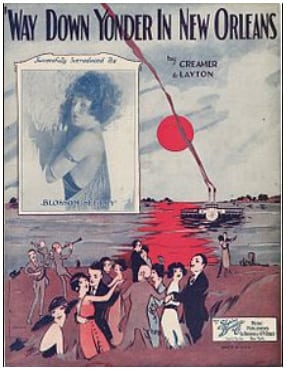
Way Down Yonder in New Orleans, FT, J. T. Layton 1922 (2135-2)
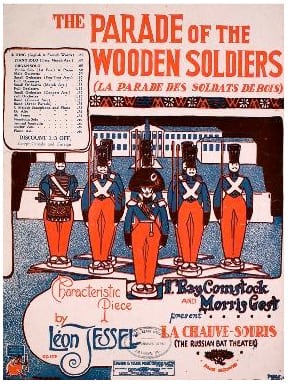
Parade of the Wooden Soldiers, Leon Jessel, 1911 (2136-1)
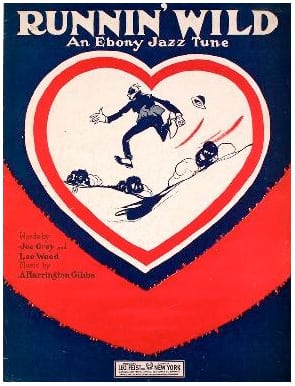
Runnin’ Wild, fox trot, A. Harrington Gibbs, 1922 (2136-2)
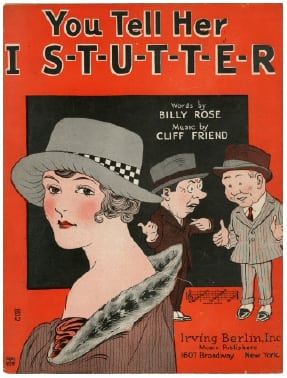
You Tell Her, I Stutter, one step, Cliff Friend, 1912 (2136-3)
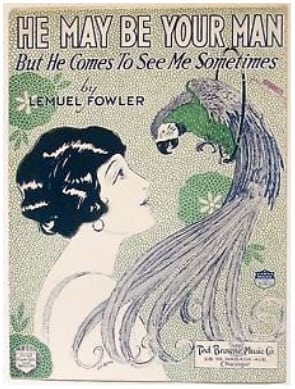
He May Be Your Man, but He Comes to See Me Sometimes, blues, Lem Fowler, 1921 (2136-9)
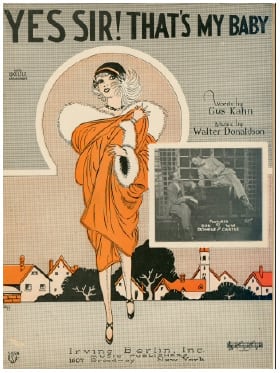
Yes Sir, That’s My Baby, fox trot, Walter Donaldson, 1925 (2165-2)
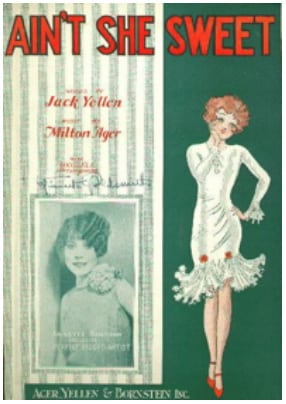
Ain’t She Sweet, FT, Milton Ager, 1927 (2196-7)
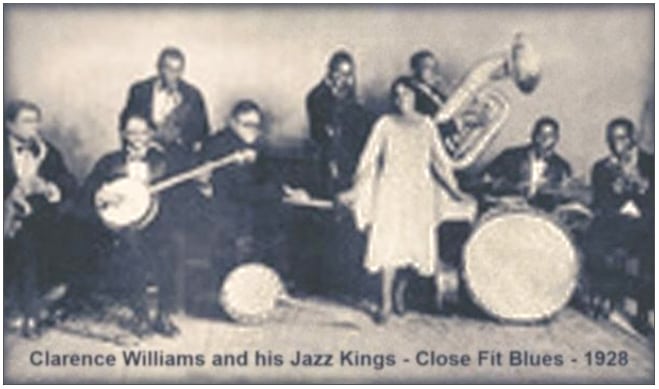
Close Fit Blues, blues, Clarence Williams, 1928 (2224-2)
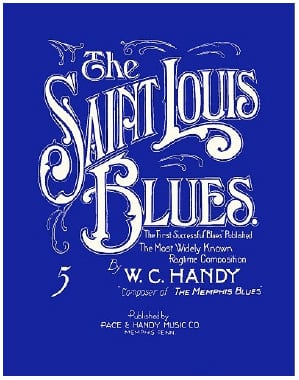
St. Louis Blues, blues, W.C. Handy, 1914 (2237-1)
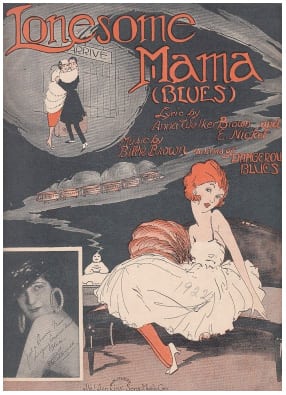
Lonesome Mama Blues, blues, Billie Brown, 1922 (2237-6)